Kenya is one of the most established safari destinations in Africa, and the number of packages sold for it reflects that. A single large comparison platform lists more than 3,300 Kenya safari tours, spanning half-day city excursions, three-day reserve hops and multi-week circuits that cross into neighbouring countries. That volume is good news for travellers, because it means almost any budget and any trip length has an option, but it also makes choosing harder than it first appears.
The packages themselves fall into recognisable groups. There are camping safaris and lodge safaris, group joining departures and private vehicles, road circuits and trips that include flights from abroad. Understanding how those groups differ is the fastest way to narrow a long list down to a short one before you start comparing prices.
What Kinds of Safari Packages in Kenya Are Available
Most operators sell the same handful of formats. The labels vary between companies, but the underlying products are consistent enough that you can compare them directly once you know what each one means.
Budget and group joining camping safaris
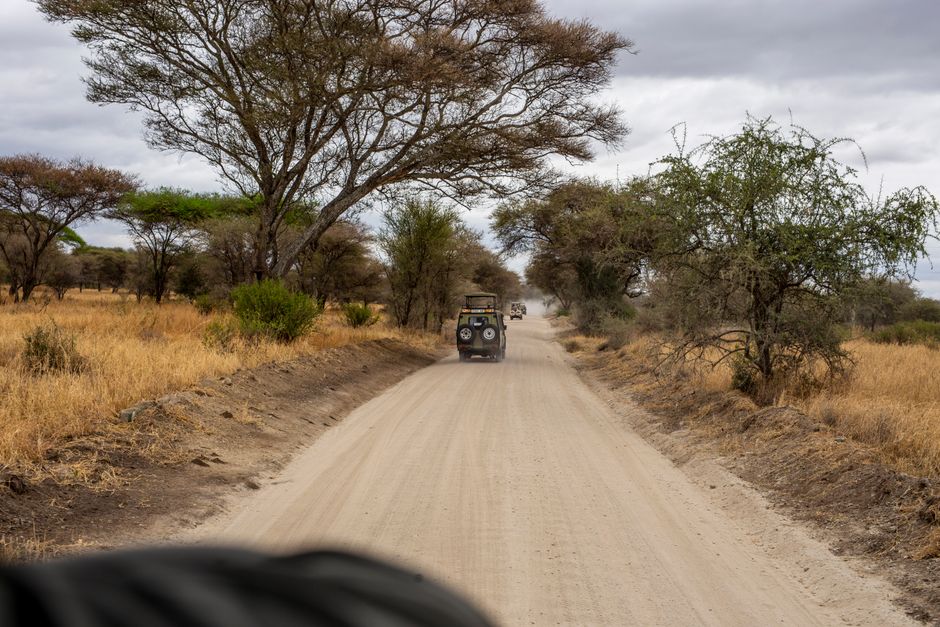
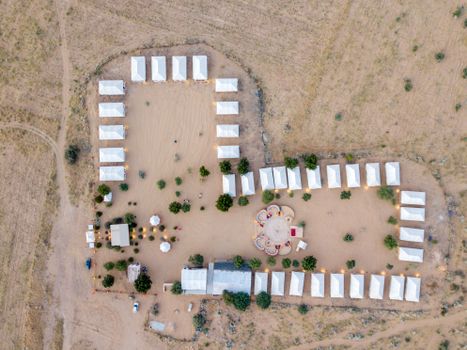
Group joining safaris place you in a shared vehicle with other travellers, usually in a pop-top minibus or a 4×4 Land Cruiser, following a fixed departure date and a fixed route. Accommodation is typically camping or simple tented camps with shared facilities. These trips keep costs down because the vehicle, the driver guide and the fuel are split between several passengers, and they suit solo travellers and small groups who are flexible about who they share with. Departures tend to run on set days, so your travel dates may need to bend around the schedule rather than the other way round.
Mid-range lodge and tented camp safaris
Mid-range packages swap campsites for permanent tented camps or comfortable lodges, usually with private bathrooms and meals included. The itinerary is often similar to a budget one, with the same parks and roughly the same number of game drives, and the difference shows up mostly in where you sleep and eat. Travellers who want a private vehicle can normally request one at this level, which gives more control over start times and how long you spend with a particular sighting.
Luxury and fly-in safaris
At the top end, safari operators offer high-end lodge and tented camp experiences, sometimes with light aircraft transfers between parks instead of long road drives. Established names such as Abercrombie & Kent describe classic East African safari experiences in Kenya, where the company has its roots, and Lion World Travel sells small group luxury itineraries built around the Masai Mara National Reserve and Lake Nakuru. Air-inclusive packages also exist: one operator’s Kenya Safari Express package includes round trip airfare from New York City to Nairobi with taxes and fees, five nights in superior hotels and safari lodges, plus a day-use room.
Popular Kenya Safari Routes and Park Combinations
Almost every itinerary is built from a small set of destinations, and the order in which they are strung together is what changes the feel of a trip. A few combinations come up again and again.
Masai Mara and Lake Nakuru
The Masai Mara is the headline reserve, home to the Big Five and what local operators call the Big Nine, and a Masai Mara safari is described as rewarding all year round rather than only during the migration. Several sample packages pair it with Lake Nakuru, which is known for rhinos, in a loop that can be done in a few days. Listing sites show four-day itineraries such as a Mara and Nakuru group joining safari, and seven-day mid-range options branded around the same parks.
Amboseli, Lake Naivasha and the southern circuit
Five-day itineraries often combine Amboseli with Lake Nakuru, and some operators add Lake Naivasha, which is associated with hippos. Small group, locally led tours marketed by companies such as Intrepid Travel follow this pattern, pairing hippos at Lake Naivasha, rhinos at Lake Nakuru and lions in the Maasai Mara. The southern parks work well for travellers who want variety in landscape, from open plains to lake shore, without committing to a long overland haul.
Nairobi day tours and short add-ons
If your time in Kenya is limited, or you have a spare day before or after a longer safari, short tours are widely sold from the capital. Examples include a Nairobi National Park half-day tour, sometimes advertised with free Wi-Fi, and a half-day trip covering the Nairobi National Park Elephant Orphanage and the Giraffe Centre. These are useful fillers rather than substitutes for a reserve safari, but they fit neatly around international flight times.
How Long Should a Kenya Safari Be?
Trip length is usually the first constraint travellers set, because it determines how many parks are realistic and how much time is spent in the vehicle rather than watching wildlife. The table below maps sample itineraries that appear on major booking platforms against the destinations they cover.
| Typical length | Sample itinerary | Destinations covered |
|---|---|---|
| Half day | Nairobi National Park tour, or Elephant Orphanage and Giraffe Centre | Nairobi area |
| 3 days | Masai Mara safari, budget or mid range | Masai Mara |
| 4 days | Mara and Nakuru group joining safari | Masai Mara, Lake Nakuru |
| 5 days | Amboseli and Lake Nakuru itinerary | Amboseli, Lake Nakuru |
| 7 days | Mid-range multi-park circuit | Several parks in one loop |
As a rule, three days gives you a single reserve and a lot of driving on either end. Four to five days allows two parks without feeling rushed. A week or more opens up longer loops and slower pacing, which matters if you want multiple game drives per day rather than one long transfer after another.
What Kenya Safari Packages Usually Include
Inclusions differ enough between operators that the same nightly rate can end up meaning two very different trips. Read the list carefully before comparing prices, because park fees, game drives and meals are not always bundled in.
- Transport in a safari vehicle with a driver guide, shared or private depending on the package
- Accommodation, either camping, tented camp or lodge
- Meals, most often full board on safari days
- Game drives as set out in the itinerary, sometimes with an early morning and an afternoon drive each day
- Park or reserve entry fees, which may be quoted separately
- Airport transfers, frequently listed as an extra
- Flights between parks, included only on fly-in itineraries
Travellers who prefer to control the vehicle themselves can also look at 4×4 Land Cruiser and van rentals, offered for either self-drive or chauffeured trips. This suits people who already have a route in mind and want flexibility on timing, though it moves responsibility for park bookings and navigation onto you.
Kenya Safari Costs: What the Numbers Look Like
Published prices vary widely, and the figures below come from operator and comparison listings, so treat them as a starting range rather than a quote. Daily rates for Kenya safaris run from roughly US$300 to US$700 depending on comfort level and activities, and the spread reflects accommodation standard, vehicle type and how many game drives are included.
| Package type | Published price range |
|---|---|
| 3-day Masai Mara safari, budget | From US$440 to US$840 |
| 3-day Masai Mara safari, mid range | From US$540 to US$1,290 |
| General daily rate, Kenya safaris | US$300 to US$700 per day |
Budget-conscious travellers can find camping safaris at the lower end of those ranges, and the difference between a budget and a mid-range departure of the same length is often a few hundred dollars per person. Because rates shift with season, group size and availability, confirm current pricing directly with the operator before you commit, and check exactly what is excluded.
Best Time to Go on Safari in Kenya
The wildebeest migration season runs from July to September and is the highlight of the Kenyan safari calendar, drawing the largest crowds and the highest rates to the Masai Mara. Outside that window, operators point out that a Masai Mara safari remains a rewarding experience all year round, with resident wildlife and far more space at sightings.
If your dates are fixed by school holidays or work, the practical approach is to accept the season you can travel and adjust expectations around it. Peak season means booking earlier and paying more. Shoulder and quieter months mean easier availability, better value and a calmer experience in the reserve, with the trade-off that you may miss the river crossings that make the migration famous.
Group Joining, Private Safari or Self-Drive
Group joining is the cheapest way to see the parks, because costs are shared, but it comes with fixed dates and a shared pace. Private safaris cost more per person and give you control over departure times, route tweaks and how long you linger at a sighting. Self-drive vehicle rental sits at the other end of the spectrum: you set the itinerary entirely, but you also handle park fees, bookings and navigation yourself.
For solo travellers and small groups on a budget, group joining is usually the sensible default. For families, honeymooners or anyone with specific interests such as photography, a private vehicle tends to justify the extra spend. Many operators, including Nairobi-based companies serving both Kenya and Tanzania, offer all three, which makes it possible to compare like for like once you know which format fits.
How to Choose a Kenya Safari Package
Work through a short checklist before you book, and most of the confusion disappears.
- Decide your dates first, then check whether group joining departures align with them
- Confirm whether park fees, transfers and meals are included or added on top
- Check the vehicle type, since a pop-top minibus and a 4×4 Land Cruiser handle rough roads differently
- Ask how many game drives are included per full day
- Look at the driving distances between parks, not just the park names
- Read recent reviews from travellers with similar budgets and group sizes
Large comparison sites list thousands of Kenya tours, which makes it easy to cross-check an operator’s claims against what other travellers paid and experienced. Use those listings to sanity-check price and itinerary, then book directly with the company that answers your questions most clearly.
Frequently Asked Questions
How much does a safari package in Kenya cost?
Published rates vary with comfort level. Daily rates for Kenya safaris range from about US$300 to US$700 depending on accommodation and activities, according to operator listings. Short budget trips are cheaper: a three-day Masai Mara budget safari is advertised from US$440 to US$840, while a mid-range version of the same trip runs from US$540 to US$1,290. Confirm current prices directly before booking.
How many days do you need for a Kenya safari?
Three days covers one reserve, such as the Masai Mara, with travel time on either end. Four to five days allows two parks, for example the Masai Mara with Lake Nakuru, or Amboseli with Lake Nakuru. A week or more suits longer circuits and slower pacing with more game drives. Half-day options exist in Nairobi if your time is very limited.
Is the Masai Mara worth visiting outside migration season?
Yes. The wildebeest migration season runs from July to September and is the busiest period, but Masai Mara is described by operators as a rewarding safari destination all year round. Resident wildlife including the Big Five and the wider Big Nine can be seen outside those months, with fewer vehicles at sightings and generally easier availability.
What is the difference between group joining and private safaris?
Group joining safaris share a vehicle with other travellers on fixed departure dates, which lowers the cost per person. Private safaris give you the vehicle and guide to yourself, with more control over timing and route, usually at a higher price. Budget camping trips are most often group joining, while mid-range and luxury packages frequently offer private departures.
Can I rent a safari vehicle instead of booking a package?
Yes. Some Nairobi operators rent 4×4 Land Cruisers and vans for self-drive or chauffeured trips. This suits travellers who want full control over their route and schedule. The trade-off is that you take on park bookings, entry fees, navigation and driving conditions yourself, so it works best if you are comfortable planning the logistics in advance.