A Kenya camping safari swaps polished lodge corridors for canvas, campfire light and the sound of animals moving somewhere past the tent wall. The format has been a fixture of Kenyan travel for decades, and booking platforms now list dozens of itineraries that stretch from four-day dashes through the Rift Valley to nine-day circuits that cross into Tanzania. The draw is straightforward: lower nightly costs, more nights out in the bush, and camps pitched close to the wildlife action instead of behind a distant gate.
What a Kenya Camping Safari Includes
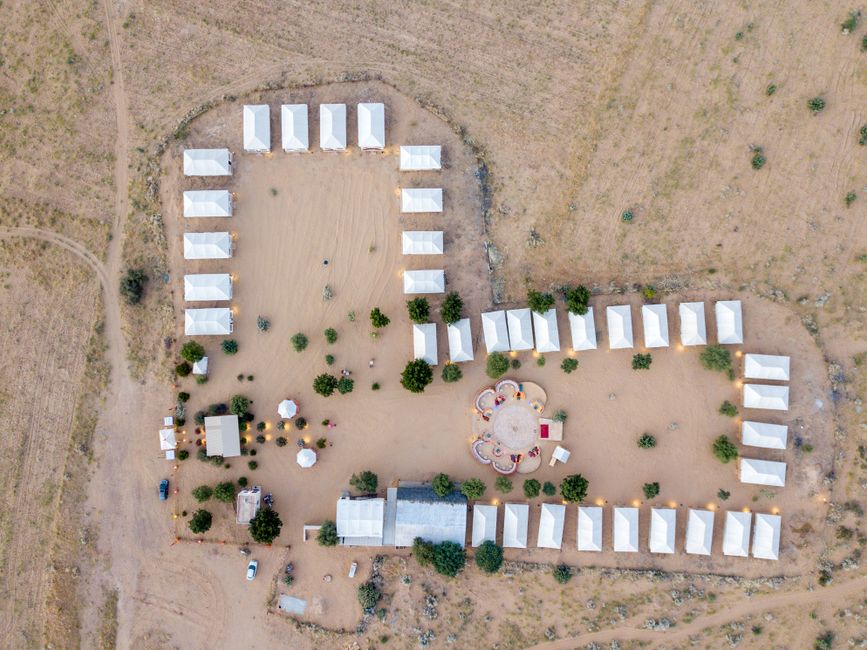
Full-service camping is the standard model. You get a tent, bedding, meals cooked at camp and a guide who drives you out for morning and late-afternoon game drives. Marketing for these trips leans on the same image every time: sleeping under the big African sky with nothing but mesh between you and the bush.
Facilities vary more than the brochures suggest. Some budget camping itineraries use permanent camps where rooms come with hot showers powered by solar, while others rely on simple dome tents and shared wash blocks. Before you pay a deposit, ask specifically about:
- Tent type and whether bedding is provided or you bring a sleeping bag
- Shared or private washroom facilities at each camp
- Whether hot water depends on solar heating, which means timing matters
- Meal arrangements, including vegetarian or dietary requests
- Group size and whether the tour is a shared group joining departure
Sun Splash Safaris runs both budget group joining camping safaris and luxury lodge and tented camp trips, which means the camping version of a route and the lodge version can be compared side by side before you commit.
Where Kenya Camping Safaris Go
Most itineraries in Kenya follow a loose circuit out of Nairobi and back, adding parks depending on how many days you have. A handful extend across the border into Tanzania for the Serengeti and Ngorongoro.
Masai Mara National Reserve
The Mara is the anchor of nearly every Kenya camping safari. Trip descriptions talk about travelling the vast open plains and rolling hills while scouring the wilderness for Africa’s big five, and the reserve is widely treated as the country’s signature wildlife destination. It is also where the classic safari camp experience is most developed, with options running from simple canvas camps to award-winning outfits.
Lake Nakuru and the Rift Valley
Lake Nakuru National Park appears on shorter routes and multi-park loops, often with the promise of stopping for zebra and giraffe crossings on the park roads. It pairs well with the Mara because it breaks up the driving and adds a very different landscape, plus a strong chance of rhino sightings on a good day.
Cross-border routes into Tanzania
Some operators let you filter departures by country and start point, which is how combined Kenya and Tanzania camping safaris get assembled. Tanzania-side departures are listed from places including Arusha, Moshi, Kilimanjaro Airport, Karatu, Mto wa Mbu, Serengeti National Park, Dar es Salaam and Zanzibar. If you want one trip that covers both countries, book it as a single package rather than stitching two separate tours together, because border logistics and park fees are handled differently.
What a Kenya Camping Safari Costs
Published prices swing widely because park fees, group size, season and accommodation standard all move the number. The table below collects sample figures that appear on tour operator and booking platform listings. Treat them as a starting point for comparison rather than a quote.
| Package type | Published price example | Notes |
|---|---|---|
| Camping safari starting rate | From about US$100 per person per day | Common entry point quoted for overnight camping trips |
| 4-day Kenya camping safari | US$600 to US$2,000 per person | 2026 and 2027 season listing |
| 7-day budget camping safari | From US$1,869.34 per adult | Includes rooms with solar-powered hot showers |
| 9-day small group camping safari | Guide price £1,499 per person based on two sharing | Guided small group adventure tour, 9 days and 8 nights |
| 9-day operator trip with promotional discount | US$2,137 per person, reduced from US$2,849 | Discount tied to specific departure dates |
The spread tells you something useful. A four-day trip and a nine-day trip are not the same product, and a discounted seat on a fixed departure costs far less than a private custom itinerary. Budget roughly from the per-day rate, then check what the total actually covers: park entry fees, vehicle, fuel, guide, meals and camping fees are the line items that separate a cheap headline price from a genuinely cheaper trip.
For contrast, lodge and tented camp pricing in the Masai Mara starts considerably higher, with published camp rates from US$785 per person per night and from US$1,144 per person per night at the upper end of that sample. That gap is the main reason camping remains popular with travellers who would rather spend their money on extra days in the park.
How Many Days Do You Need?
Four days is the shortest format that still feels like a real safari, typically one park plus travel time from Nairobi. Seven days lets you link two or three parks without rushing. Eight and nine-day itineraries are common for travellers who want the Mara plus the Rift Valley, or a cross-border route.
Booking platforms let you filter by tour length in ranges that go from a single day up past 34 days, and by safari level across budget, mid-range and luxury. If you only have four days, spend them in one reserve rather than three. Driving days eat into game viewing, and a tented camp you barely sleep in is money poorly spent.
Wildlife You Can Expect to See
Kenya’s headline species appear across the standard camping routes. The big five dominate the marketing, with lions, leopards, elephants and buffalo featuring on most itinerary descriptions. Eight-day wildlife trips are often pitched as getting off the beaten track to seek out elephants, hippos, leopards and lions.
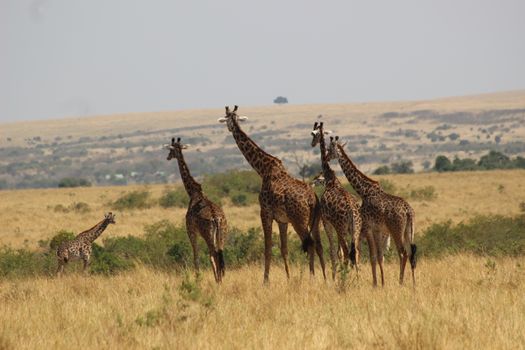
Beyond the predators, expect zebra, giraffe, hippo, wildebeest, antelope and a long list of birdlife depending on the park and the season. Wildlife is never guaranteed, and no responsible operator will promise a specific sighting on a specific day. What you can control is time: more game drives, earlier starts and a guide who knows the territory all improve your odds.
Camping or Lodge Accommodation?
Camping wins on cost and, often, on proximity to the wildlife action. It also suits travellers who want a more sociable trip, since group joining departures put you in a vehicle with other guests and around a fire with them at night.
Lodges and permanent tented camps win on comfort, privacy and consistency of hot water. Many travellers build a hybrid: camp for the long park days and finish at a lodge. Operators that run both formats make this easy to arrange within a single itinerary, and it is worth asking about when you request a quote.
Comparing Operators and Packages
Choice is not the problem. One booking platform lists around 97 Kenya camping safaris offered by 45 tour operators, so the real work is filtering. Use these questions to cut the list down fast:
- How many people share the vehicle, and is it a guaranteed window seat?
- Are park entry fees included in the quoted price or billed separately?
- What exactly is the camping accommodation on each night of the route?
- Is the departure confirmed, or does it depend on minimum numbers?
- What happens if a camp is fully booked on your dates?
Ask for the itinerary in writing with distances and drive times. Vague routes that say “game drive en route” without naming the park are usually padding.
Booking Windows and Departure Dates
Fixed departures are listed across 2026 and into January 2027, with calendar filters that let you search by start date and month. Promotional discounts tend to attach to specific departure dates rather than the whole season, so flexibility on timing can reduce the price noticeably.
Kenya-side departures are commonly listed from Nairobi, Mombasa, Diani Beach, Malindi, Watamu, Masai Mara National Reserve and Kisumu. If you prefer to drive yourself, safari vehicle rental with 4×4 Land Cruisers and vans is available for self-drive or chauffeured trips, which works well if you want a camping route on your own schedule.
Frequently Asked Questions
How much does a Kenya camping safari cost?
Published rates start at about US$100 per person per day, with a four-day camping safari listed between US$600 and US$2,000 per person and a seven-day budget trip from US$1,869.34 per adult. Nine-day small group tours are quoted around £1,499 per person sharing. Actual prices depend on season, park fees and group size, so always request a current written quote.
How long are Kenya camping safaris?
Lengths run from four-day trips to nine-day circuits, with seven and eight-day itineraries among the most common. Booking filters go from a single day up past 34 days for extended multi-country routes. As a rule, four days covers one reserve properly, while seven days or more lets you combine the Masai Mara with Lake Nakuru and other parks without long driving days.
What wildlife can I see on a Kenya camping safari?
Itineraries are built around the big five, and eight-day wildlife trips are often described as seeking out elephants, hippos, leopards and lions. Zebra and giraffe sightings are commonly highlighted around Lake Nakuru National Park. Expect antelope, wildebeest and abundant birdlife as well. No operator can guarantee a particular sighting, so more game drives means better odds.
Do camping safaris have hot showers?
Some do. Budget camping itineraries are listed with rooms that include hot showers powered by solar, which means water temperature depends on sunshine and time of day. Simpler camps use shared wash blocks with cold or bucket showers. Ask your operator exactly what facilities exist at each camp on the route before booking, since standards vary between parks.
Where do Kenya camping safaris start?
Most departures begin in Nairobi, and listings also show start points at Mombasa, Diani Beach, Malindi, Watamu, Kisumu and the Masai Mara National Reserve itself. Combined Kenya and Tanzania trips may begin on the Tanzania side from Arusha, Moshi, Kilimanjaro Airport, Karatu, Mto wa Mbu, Serengeti National Park, Dar es Salaam or Zanzibar, depending on the route.